Download from
Play Store
Every day, we open apps filled with messages. Family groups, college groups, office groups…notifications never really stop. We’re talking more than ever, yet many of us feel more distant than ever. You may have noticed this yourself. You see the "good morning" messages, you react to a few photos, and you send a quick reply. But do you ever have a real conversation? Important thoughts and feelings often get swept away in a flood of forwards and one-line responses. Everyone is present, but no one truly feels connected. This raises a simple but important question: Can a simple messaging group really hold a community together, or do we need a different kind of space? Messaging groups are great for quick updates, but community platforms are better for building deeper, long-term connections where every conversation matters. What are Messaging Groups? Messaging groups, like those on WhatsApp or Telegram, are built for quick, real-time communication. They’re great for: Telling the family you’re running late Coordinating who’s bringing what to the picnic Sharing a quick laugh with old friends They’re instant, familiar, and perfect for casual, short-term chats. But if we’re honest, they weren't designed to nurture deep relationships. Where Messaging Groups Lack At first, a new messaging group feels lively and fun. But over time, the limitations become hard to ignore: 1. Conversations Get Lost An important personal update or a thoughtful question can disappear quickly in a constant stream of replies, forwards, memes, and reactions. 2. Too Much Noise, Too Little Meaning The constant ping of messages, most of which aren't for you, becomes overwhelming. Many people just mute the group and check out entirely. 3. Limited Participation In most groups, a handful of people do all the talking. Everyone else becomes a silent observer, watching from the sidelines. 4. No Sense of Structure Everything including planning, support, jokes, serious talk happens in a single, endless scroll. There’s no way to separate topics or find anything later. 5. Weak Emotional Connection You might know what time someone caught their flight, but you rarely get a sense of how they’re really doing. The emotional connection stays shallow. Over time, the group chat remains active, but the feeling of community quietly fades away. What are Community Platforms? Community platforms like Parivar are built with a different purpose. They aren’t just about sending messages back and forth. They are built to help people: Share experiences Support each other Build bonds that last Instead of a single chat stream, they offer different spaces where conversations can grow and stay meaningful over time. What Makes a Community Platform Feel Different? 1. Conversations Have a Place Discussions are organized by topic. A question about a family recipe doesn’t get lost in a thread about weekend plans. It stays put, ready for the next person who needs it. 2. People Have an Identity People have profiles. You see a face, a name, a bit about them. It transforms interactions from a random phone number into a connection with a real person. 3. Participation Feels Natural Everyone can find their voice. It feels safer and more natural for quieter members to share a thought or ask a question when the space isn't moving frantically. 4. Focus on Belonging It gives a sense of belonging in communities. The whole environment encourages people to listen, share thoughtfully, and respond with care, not just with a quick tap on a screen. 5. Designed for Long-Term Engagement A good community platform doesn't go silent and die after a few days of no messages. It becomes a place people return to, where conversations evolve and deepen over time. Messaging Groups vs Community Platforms Let’s look at the difference more clearly: table { font-family: hindivadodara, sans-serif; border-collapse: collapse; width: 100%; } td, th { border: 1px solid #dddddd; text-align: left; padding: 8px; } Aspect Messaging Groups Community Platforms Purpose Quick communication, instant updates Building relationships Structure Single chat stream Organized discussions Engagement Short-term Long-term Experience Often cluttered and noisy Calmer and more focused Connection Surface-level Deeper and meaningful When Messaging Groups are the Right Tool Let’s be clear: messaging groups aren't bad. They are the perfect tool for certain cases. They are ideal when: The group is small (like 5-6 close friends). Communication is urgent or time-sensitive. The goal is short-term, like planning a single event or a weekend trip. When speed is all that matters, a simple chat is the way to go. When You Need the Depth of a Community Platform But when your goals are bigger, a community platform becomes a much better fit. You'll want one when: Your group is growing, or you hope it will. People want to share thoughts, feelings, and experiences, not just logistical updates. You’re hoping to build something that lasts, not just a temporary space. Mutual support, genuine connection, and working together are important. Think about: Families spread across cities who want to stay emotionally close, sharing photos and memories in a way that doesn't get lost. Neighborhood groups organizing local events or supporting each other. Support circles where people need a safe, thoughtful space to share. Hobby clubs where members want to go beyond "nice photo!" and have real discussions. Why Our Need for Community is Changing It’s a strange feeling to be so constantly "connected" and yet feel so unheard. Messaging alone hasn't solved our need for belonging. What so many of us are quietly looking for is: A space where we can express ourselves without being rushed. A place where our words aren't immediately buried. A genuine sense of being part of something that matters. This shift from quick communication to genuine, lasting connection is exactly why thoughtfully designed community management applications are becoming so important. A Simple Way to Picture It Think about a busy family group chat. A cousin shares that they’re going through a tough time. A couple of people send heart emojis and quick "hope you're ok" messages. Then, within an hour, the topic is gone, washed away by a video of a cat and someone asking what’s for dinner. Now, picture a different kind of space. That same cousin shares their feelings in a dedicated, supportive corner of a family community. People respond with more than just a reaction. They share their own experiences. They ask how they can help. Someone else joins the conversation the next day, and the message is still there, still relevant, ready for them to offer their support. The conversation isn’t lost; it becomes a source of strength. That is the difference between a chat and a community. How Parivar Helps People Feel Closer This is exactly where a different kind of space begins to matter. Most platforms today are built either for quick messaging or broad social sharing, but very few are designed for close-knit, meaningful interaction. If you’ve ever felt that traditional platforms don’t quite support real connection, it’s worth exploring why Parivar works better than typical social media apps for families and communities. Parivar is built around a simple idea: people don’t just want to talk, they want to feel connected. It’s a space designed to bring families, communities, and close-knit groups closer by making sure: Conversations don’t disappear People feel comfortable and safe having discussions Communities grow naturally over time Instead of focusing on constant activity, it focuses on what truly matters: relationships, understanding, and a sense of belonging. So, Which One Works Better? Messaging Groups or Community Apps Messaging groups are for staying in touch. Community platforms are for staying connected. And sometimes, that difference is everything. If your only goal is to share quick updates, a messaging group is perfectly fine. But if your goal is to build something more meaningful, a place where people truly listen, share from the heart, and support one another, then a space built for community offers a much richer and more rewarding path. If you're ready to experience what real connection feels like, you can download the Parivar app today. Available for Free on: iOS Android Register on Parivar and start building a space where your family or community can truly come together.
Everyone goes through moments when life feels heavy. Work pressures, personal struggles, uncertainty about the future, or simply the pace of modern life can take a toll on how we feel. During such times, what often helps the most is not advice or solutions, but people - someone who listens, understands, and stands beside us. In moments like these, the presence of a supportive community makes all the difference. It offers more than just interaction. It creates a space where people can share experiences, find encouragement, and feel less alone. Whether it is a neighborhood group, a shared-interest circle, or an online platform, communities have the ability to support emotional well-being in quiet but meaningful ways. Why Mental Well-Being Needs Social Connection Human beings are naturally social. From childhood to adulthood, our sense of comfort and stability is often shaped by the relationships around us. Having a reliable network makes challenges easier to manage. Small gestures often carry more weight than we realize. For example: A simple conversation after a difficult day A message checking in on someone A friend acknowledging how you feel These moments remind people that they are seen and that their emotions matter. Without that connection, even ordinary problems can feel heavier. A stressful day might start to feel like personal failure. A small setback might seem larger than it is simply because there is no one nearby to offer perspective. Communities help fill this gap by providing connection, understanding, and similar experiences. The Comfort of Belonging in a Supportive Community One of the most meaningful things a community offers is the feeling of belonging. Belonging means being accepted as you are, not for the role you play or the image you present, but for who you genuinely are. In a healthy community: Your presence is valued Your voice is heard Your experiences are respected When people feel this kind of acceptance, they are more likely to open up and build genuine relationships. Over time, this sense of belonging in communities creates emotional security. Instead of facing difficulties alone, people know they have others who care. Shared Experiences Create Understanding in a Community Many struggles feel isolating simply because people believe they are the only ones going through them. Communities often change that perception. When someone shares their experience whether it is stress at work, self-doubt after failure, or the loneliness of moving to a new city, it allows others to recognize similar feelings in themselves. For example: A new parent may discover that exhaustion and uncertainty are common experiences. Someone changing careers may find others navigating the same fears. A person recovering from failure may hear stories of resilience from others. These shared experiences create understanding without judgment. People do not always need solutions. Sometimes they simply need to know that someone else truly understands what they are feeling. Support During Difficult Moments Life brings challenges for everyone, including: Personal loss Health concerns Career setbacks Emotional struggles During these times, community support becomes especially valuable. Support can take different forms: Practical help with everyday tasks A thoughtful message checking in Someone willing to listen without offering immediate advice Even small acts of care can have a powerful effect. Knowing that someone notices and genuinely cares can provide comfort during difficult moments. Encouragement That Builds Confidence Communities also help people move forward. When individuals share progress, goals, or personal efforts, encouragement from others can strengthen their confidence. Support from peers often feels meaningful because it comes from people who understand the journey. Communities often support progress by: Celebrating small achievements Encouraging consistency and effort Offering reassurance during setbacks For instance, someone trying to build healthier habits might feel discouraged by slow progress. But when their community recognizes their effort, it can renew motivation. Over time, this support helps people build resilience and self-belief. The Role of Online Communities in Mental Well-Being Communities today are not limited by geography. Community management apps allow people from different places to connect around shared interests, experiences, or values. For many individuals, these communities provide support that may not exist locally. Online communities offer benefits such as: Access to diverse perspectives Easier communication between members Dedicated space for safe discussions Opportunities for members to stay connected even when they are far apart Platforms like the Parivar App make it easier for communities to stay connected in a more organized and meaningful way. However, the strength of any community, online or offline, ultimately comes from the people within it. Respectful communication and responsible community moderation play an important role in keeping these spaces welcoming. What Makes a Community Supportive Not every group automatically becomes a supportive community. Certain qualities help create an environment where people feel comfortable and valued. Respect is essential. When people communicate with kindness and patience, it builds trust among members. Even during disagreements, a respectful tone preserves relationships. Openness also matters. Communities where people feel safe expressing their thoughts tend to develop deeper connections. Participation strengthens the group. When members engage with one another rather than simply observing, relationships grow stronger. Finally, care and empathy help maintain a healthy environment where everyone feels supported. It is also important to recognize that not every group is healthy. Some spaces may feel judgmental or exclusive. Finding the right community sometimes takes time and exploration. Long-Term Benefits of Community Support Belonging to a supportive community can influence mental well-being in lasting ways. People who feel connected to others often experience: Lower levels of stress Greater emotional resilience More confidence in expressing themselves A stronger sense of belonging Most importantly, community support reminds people that they do not have to face life's challenges alone. Why are Communities More Important Than Ever Modern lifestyles sometimes limit opportunities for deeper connection. Busy schedules, digital communication, and changing social patterns can leave people feeling disconnected. Communities help rebuild those connections. They create spaces where people can slow down, speak honestly, and develop relationships based on mutual understanding. In many ways, communities restore something fundamental, the human need to feel connected to others. Supportive Communities Strengthen Mental Health & Well-Being Mental well-being is influenced by many factors, but meaningful relationships remain one of the most powerful sources of support. Supportive communities remind individuals that their struggles are understood and that their presence matters. Through conversations, shared stories, and simple acts of care, communities help people feel supported and emotionally stronger. And sometimes, knowing that someone is there to listen is exactly what makes all the difference.
A group of people does not automatically become a community. What turns a collection of individuals into something meaningful is identity. Community identity is what helps people say, “This is our place” - your family, your close friends, perhaps a religious group or a sports team. There is a shared understanding and a sense of belonging. It gives clarity about why the community exists, what it stands for, and how members are expected to interact with one another. When identity is clear, participation feels natural. When it is unclear, confusion and disengagement slowly follow. We explain what community identity means and how you can build one in a practical and thoughtful way, whether your community meets in person or uses a digital platform like Parivar App to connect members. What is Community Identity? Community identity is the shared understanding of: Why the community exists - its fundamental reason for being What values guide it - the principles that shape decisions How members treat each other - the expected behaviors and interactions What makes it different - its unique character compared to other groups It is not just a logo, a tagline, or a mission statement pinned to a wall. Real identity is reflected in daily actions, decisions, events, conversations, and even how disagreements are handled. Here is a simple test: When someone new joins your community, how long does it take them to understand how things work and what the community believes in? If the answer is "quickly and naturally," that is a sign of strong identity. If new members remain confused for weeks or months, identity needs work. Importance of Having a Community Identity A clear identity helps in many ways: It Creates Belonging: People feel more comfortable when they know what a group stands for. Shared purpose brings people closer. It Reduces Confusion: When values and goals are defined, decisions become easier. Members understand the direction. It Builds Stability: Communities with strong identity do not lose direction easily. Even when leadership changes, the core remains steady. It Encourages Participation: When members feel aligned with the purpose, they are more likely to contribute. Signs Your Community May Lack a Clear Identity How do you know if your community needs to work on identity? Look for these signs: Members often ask, “What exactly are we trying to achieve here?” Events feel disconnected from each other, like isolated activities rather than part of a larger story Conflicts arise repeatedly over basic decisions Participation is low or inconsistent New members struggle to understand how things work Long-time members describe the community differently, suggesting no shared understanding exists Decisions feel arbitrary because no clear principles guide them These are not failures. They are indicators that clarity is needed. The good news is that identity can be built intentionally, even in established communities that have drifted. Core Elements of a Strong Community Identity Building identity does not require complicated planning or expensive consultants. It requires clarity about a few fundamental elements and consistency in applying them. 1. A Clear Purpose Ask simple questions: Why was this community formed? What problem does it solve? What value does it bring to members? The purpose should be short and easy to understand. If it takes too long to explain, it may need refining. Weak: "We want to grow together." Strong: "Connecting first-generation immigrant parents to share resources, advice, and friendship." 2. Shared Values Values guide behavior. They influence how members interact and how decisions are made. For example: Respect in discussions Transparency in financial matters Equal participation Accountability in responsibilities Values should not remain written statements. They should be visible in everyday actions. 3. A Defined Culture Every community has a culture, whether planned or not. Consider: Are meetings formal or relaxed? Is communication structured or open? Are traditions important? There is no right or wrong style. What matters is consistency. 4. Visual and Communication Style While identity is deeper than visuals, presentation still matters. A consistent logo or symbol Clear communication tone Organized announcements This helps members feel that the community is structured and dependable. 5. Traditions and Shared Moments Annual events, celebrations, volunteer drives, or recognition ceremonies help strengthen identity. Over time, these moments become part of the community’s story. Step-by-Step Guide to Building a Strong Community Identity Here is a simple approach that any community can follow. Step 1: Define the Purpose Clearly Gather core members or leaders and discuss: What are we trying to build? What do members expect from us? What do we want to achieve in the next few years? Write it down in simple language. Avoid complicated statements. Step 2: Involve Members in the Process Identity should not be decided by a small group alone. You can: Conduct short surveys Organize open discussions Invite suggestions When members contribute, they feel ownership. Step 3: Document and Share It Once purpose and values are clear: Publish a short mission statement Share community guidelines Create a welcome note for new members This ensures everyone receives the same message. Step 4: Align Actions with Identity If transparency is a value, share updates regularly. If inclusiveness is important, make sure everyone gets equal opportunity to participate. Identity must match behavior. Otherwise, it loses meaning. Step 5: Reinforce It Regularly Identity should not be mentioned once and forgotten. Repeat the purpose during meetings Highlight member contributions Celebrate achievements Share stories that reflect your values Repetition strengthens clarity. Role of Leadership in Shaping Community Identity Leaders play a central role in shaping and maintaining identity. Members observe leadership closely. If leaders: Model values consistently Communicate purpose regularly Make decisions aligned with identity Address misalignment quickly The culture becomes stronger. If leaders act differently from stated values, identity weakens quickly. Leadership consistency matters more than speeches. Common Mistakes to Avoid Being Too Generic: "Building a better community" is too broad. Be specific. Copying Other Communities: Adapt ideas to your context. Identity must feel authentic. Ignoring Feedback: If members feel unheard, they disconnect. Changing Direction Too Often: Frequent shifts create uncertainty. Stability builds confidence. How Community Identity Grows Over Time Identity is not built in one meeting. It develops through repeated actions. Over time, members begin to say: “This is how we do things here.” “This is what we stand for.” That is when identity becomes strong. It shows participation, cooperation, and mutual respect. Measuring the Strength of Your Community Identity You can observe: Member retention Event participation Volunteer involvement Constructive discussions Feedback tone New member experience If members speak positively about the community, participate regularly and invite others to join, identity is working. Making Your Community Identity Stronger A strong community identity does not require complex systems. It requires clarity, consistency, regular communication, leadership and involvement. When members understand the purpose, share common values, and see those values reflected in action, they feel connected. And when people feel connected, communities become stronger, not just in numbers, but in relationships. Building identity takes time. But once established, it becomes the foundation on which everything else grows. To experience these benefits firsthand, you can download the Parivar app on iOS or Android and start building a stronger, more connected community today.
Trust is the invisible glue that holds every successful community together. Whether it's a local housing society, a cultural group, a religious association, or a professional network, trust determines participation, loyalty, and long-term sustainability. Without trust, members disengage. With trust, communities succeed. In this blog, we’ll explore why trust is important, what breaks it, and practical steps to build and maintain it in any community, whether you manage it offline or through a community management app like Parivar. Why Trust is the Backbone of Every Community Communities are built on relationships. And relationships are built on trust. When members trust leadership and each other: They participate more actively They volunteer willingly They communicate openly They stay longer They recommend the community to others Trust reduces friction. It prevents misunderstandings from escalating and creates psychological safety, a space where people feel comfortable expressing themselves. What Breaks Trust in Communities? Before building trust, it’s important to understand what weakens it. Lack of Transparency: When decisions are made behind closed doors, members feel excluded. Inconsistent Communication: Irregular updates create confusion and rumors. Favoritism or Bias: Perceived unfairness damages credibility quickly. Unresolved Conflicts: Ignoring disputes allows resentment to grow. Broken Promises: Failing to deliver on commitments erodes confidence over time. Recognizing these issues early helps leaders course-correct before damage becomes long-term. 10 Practical Ways to Build Trust in Your Community 1. Communicate Clearly and Consistently Share updates regularly even when there’s “nothing big” to announce. Consistency builds reliability. Monthly updates Event summaries Financial transparency reports Meeting minutes People trust what they understand. 2. Be Transparent in Decision-Making Explain: Why decisions were made Who was involved What alternatives were considered When members understand the reasoning, they’re more likely to support outcomes even if they disagree. 3. Encourage Open Feedback Create safe channels for: Suggestions Complaints Anonymous feedback Healthy discussions And most importantly → respond to it. Acknowledging feedback (even when you can’t implement it) builds credibility. 4. Deliver on Small Promises First Trust is built gradually. If you promise: An event at a specific date A document by a deadline A response within 24 hours Deliver it. Consistency in small commitments builds confidence in larger ones. 5. Treat Everyone Fairly Apply rules equally across all members. When exceptions are necessary, clearly explain why. Perceived fairness is one of the strongest drivers of community trust. 6. Resolve Conflicts Quickly and Calmly Conflict isn’t the problem, unresolved conflict is. Steps: Listen to all sides Stay neutral Focus on solutions, not blame Communicate outcomes transparently Communities that handle disputes maturely earn respect. 7. Share Financial Transparency (If Applicable) For communities handling funds: Share income & expenses Publish simple reports Provide clarity on how money is used Financial clarity significantly strengthens trust. 8. Recognize and Appreciate Members Acknowledgment builds emotional connection. Celebrate volunteer contributions Highlight member achievements Appreciate consistent participation When people feel valued, they feel invested. 9. Create Shared Goals Trust grows when members feel united by purpose. Define: What the community stands for What it wants to achieve this year How members can contribute Shared vision strengthens unity. 10. Lead by Example Leaders set the tone. If leaders: Show integrity Admit mistakes Stay approachable Follow rules themselves Members will mirror that behavior. The Psychology Behind Trust in Communities People join communities for belonging. But they stay because of emotional safety. Research in social psychology shows that trust increases: Cooperation Information sharing Group performance Member retention When members believe others have good intentions, collaboration becomes natural. Signs Your Community is Building Strong Trust You’ll notice: More voluntary participation Honest conversations Constructive disagreement Lower conflict intensity Higher member retention Trust doesn’t eliminate challenges, it makes them manageable. Common Mistakes Community Leaders Should Avoid Overpromising and underdelivering Ignoring small complaints Being defensive about feedback Delaying communication during crisis Making decisions without consultation Remember: trust is slow to build, but quick to lose. Building Trust Within Community is a Long-Term Investment Building trust in your community isn’t a one-time effort, it’s an ongoing process. It requires consistency, empathy, fairness, and transparency. Communities that prioritize trust experience: Increased member engagement Stronger member loyalty Better collaboration Sustainable growth If you focus on trust first, everything else including participation, growth, and impact follows naturally.
If you’re part of a community chat group on any social media channel, you already know the scene. You check your phone and see "99+ unread messages". You open it, hoping for important news, but instead, you’re greeted by 40 "Good Morning" rose 🌹 GIFs, a random political debate, and a forwarded message about a miracle cure for knee pain. Somewhere in that mountain of chat, there was an invite to a community wedding but good luck finding it now! Every community (or Samaj) is a beautiful mix of different personalities. We have the elders who hold our history, the young professionals looking for work, and the organizers who keep us together. But when we try to fit all these different needs into one chat thread, things get chaotic. That’s why we built Parivar. It’s not just another "chatting app." It’s an organized digital home where every member of your community has a place to thrive. Let’s look at the five people we find in every group and how Parivar is bringing a solution for each one of them. Meet the 5 Types of Members in Every Community 1. The Silent Observer (The Info Seeker) You know them. They read every single message. They never reply/type. Not even a 👍. The Problem They aren't being rude; they just want updates and not to add to the noise. Endless messages, random forwards, and constant notifications make them mute the group and miss important news along with it. How Parivar Solves It Notifications: In Parivar, official announcements live in one clear space. No pressure to reply. No fear of “typing…” moments. They get the information they care about quietly, clearly, and on time. 2. The Community Historian (The Heritage Keeper) This person remembers everything. Who married whom. Which village the family came from. That long-forgotten cousin everyone asks about. The Problem Their knowledge is priceless but in a chat app, it disappears in the scroll. The younger generation has no way to access this rich heritage. How Parivar Solves It Digital Family Tree: Parivar turns their memory into a permanent legacy. Family connections, names, and history are saved properly so the youth can discover where they come from, even years later. 3. The Helpful Networker (The Job-Finder) They are always trying to help. "My neighbor’s son needs a job," "Does anyone know a trusted CA from our community?" The Problem These messages often get ignored or buried under casual chat. By the time someone sees it, the moment has passed. How Parivar Solves It Parivar has a dedicated Jobs & Business Directory. The Networker can post a job opening or a business service in a place where it actually stays visible. Businesses are easy to find. Trust stays within the community. It turns a "favor" into a structured opportunity. 4. The Event Guru (The Social Glue) They’re the reason the annual picnic or Navratri function still happens. They remind. They follow up. They somehow make people show up. The Problem Managing a guest list in a chat group is a nightmare. "Who said they’re coming? Did Ramesh say +2 or +4?" Texting the same event location multiple times. Plus, the photos from the event end up lost in everyone’s phone galleries. How Parivar Solves It The Events & Polls feature: The Social Guru can create an event and use Polls to decide on the menu. Best of all? All the event photos are stored in a shared Community Album for everyone to see. There’s no confusion and no repeated messages. Just better celebrations. 5. The Modern Matchmaker (The Rishta Expert) They’re always quietly working behind the scenes helping families find the right match within the community. The Problem Biodatas scattered across WhatsApp, email, and PDFs. Sharing sensitive biodatas over public chats is awkward and lacks privacy. It’s hard to verify who is "real" and who isn't. How Parivar Solves It Secure Matrimony Module: Parivar offers a safe, community-exclusive space for matchmaking. Since every profile is linked to a verified community member, there’s an automatic layer of trust and privacy that big matrimonial websites can’t provide. Respectful, structured, and trusted, just the way it should be. Bring Your Community Home with Parivar A community isn't just a list of phone numbers; it’s a living, breathing family. When we use tools that weren't built for us, our connections feel cluttered and stressful. Parivar was designed to give these personalities and everyone in between the tools to connect with dignity, privacy, and organization. If your community is still stuck in the chaos, it’s time to move into a home built just for you. Bring your Samaj to the Parivar App today and watch your community grow closer than ever. Download Parivar App Now 👉 Available on iOS and Android
Strong communities are built on shared experiences. Whether it’s celebrating festivals, learning together, or giving back to society, community activities help people connect beyond daily routines. However, organizing these activities is often challenging as scattered communication, low participation, and poor coordination can quickly turn good ideas into missed opportunities. This is where Parivar’s Activity feature makes a real difference. It gives communities a simple, organized way to plan, manage, and participate in activities. Here are a few creative community activities you can easily organize using Parivar, along with tips on how the Activity feature helps make each one successful. Why Parivar is Ideal for Community Activity Management Before diving into ideas, it’s important to understand why Parivar app works so well for activity planning: All activities are listed in one centralized space. Members get clear information about date, time, and location. Participation is visible, improving turnout. Updates and changes are easy to communicate. Unlike scattered social app messages or offline notices, Parivar keeps everything structured, accessible, and community-friendly. Everything You Need to Plan a Community Activity in One Place Parivar’s Activity feature is designed to handle every detail from planning to participation without juggling multiple tools. Add Basic Activity Details with Complete Customization Activity name, description, category Virtual / on-site activity type One-day or multi-day duration Cover images & documents Activity color personalization Manage Registrations, Participation Limits & Payments Enable/disable registration Set participation limits Define registration window Add registration links & charges Track paid and unpaid members Set Location, Dates & Timing for Better Coordination Venue or address Start & end dates Activity time Community Activity Ideas You Can Organize Using Parivar App 1. Health, Fitness & Wellness Activities Health-focused events are becoming increasingly popular in residential societies and communities. Yoga sessions, morning walks, meditation programs, or health check-up camps benefit all age groups. How Parivar helps: Schedule one-time or recurring wellness activities. Enable or disable registration based on the nature of the activity. Set participation limits for camps or sessions. Define a registration window so members know when to sign up. Track attendance to understand engagement levels. Wellness activities often lose momentum due to poor coordination. Parivar provides structure and visibility, encouraging consistent participation and healthier habits. 2. Learning & Skill-Building Workshops Communities thrive when they grow together. Skill-building sessions add long-term value, especially for children, youth, and working professionals. Popular workshop ideas: Kids’ art & craft classes Financial planning or investment awareness sessions Digital literacy workshops for seniors How Parivar helps: Add clear descriptions and target audience. Add a registration link or payment details if the workshop has charges. Track who has registered and whether they have completed payment. Share updates or follow-up information easily. Members are more likely to attend when they understand the value of the session and have all details in advance exactly what Parivar enables. 3. Social Service & Volunteering Drives Activities that give back to society help build empathy and unity. Communities often organize blood donation camps, cleanliness drives, donation collections, or tree plantation programs. How Parivar helps: Clearly state the purpose and impact of the drive. Run both free and paid drives with transparent participation controls. Coordinate volunteers efficiently. View complete participation details in one place. Share post-event updates and appreciation messages. Transparency and organization increase trust and participation. Parivar ensures volunteers know exactly how and where they can contribute. 4. Community Networking & Social Meetups Not all activities need a formal agenda. Informal meetups help members build stronger personal connections. Examples: New member introduction sessions Women’s group meetups Senior citizen gatherings Youth networking events How Parivar helps: Simple activity creation without complexity Mark activities as active or inactive based on relevance Encourages participation across age groups Keeps communication structured and welcoming When people feel connected, communities become more harmonious. Parivar helps create safe, inclusive spaces for interaction. Plan Community Activities with Precise Location & Timing Parivar gives organizers complete control over when and where an activity happens. Add venue or address for on-site activities. Select start and end dates for multi-day events. Set clear activity timings to avoid confusion. Tips to Increase Participation in Community Activities To get the most out of the Activity feature: Keep activity titles and descriptions clear. Share activities well in advance. Choose convenient timings for most members. Post reminders and updates when needed. Monitor registered members and their paid or unpaid status. Edit, publish, or cancel activities while keeping members informed. Consistent, well-managed activities naturally lead to higher engagement. Simplify Community Activity Management with Parivar App Community activities play a crucial role in building relationships, preserving culture, and creating a sense of belonging. With the Parivar Activity feature, organizing these activities becomes simple, transparent, and stress-free. Whether you’re planning a festival celebration, a wellness program, or a volunteering drive, Parivar gives your community the tools it needs to participate, connect, and grow together. Start your next community activity with Parivar and turn ideas into shared experiences.
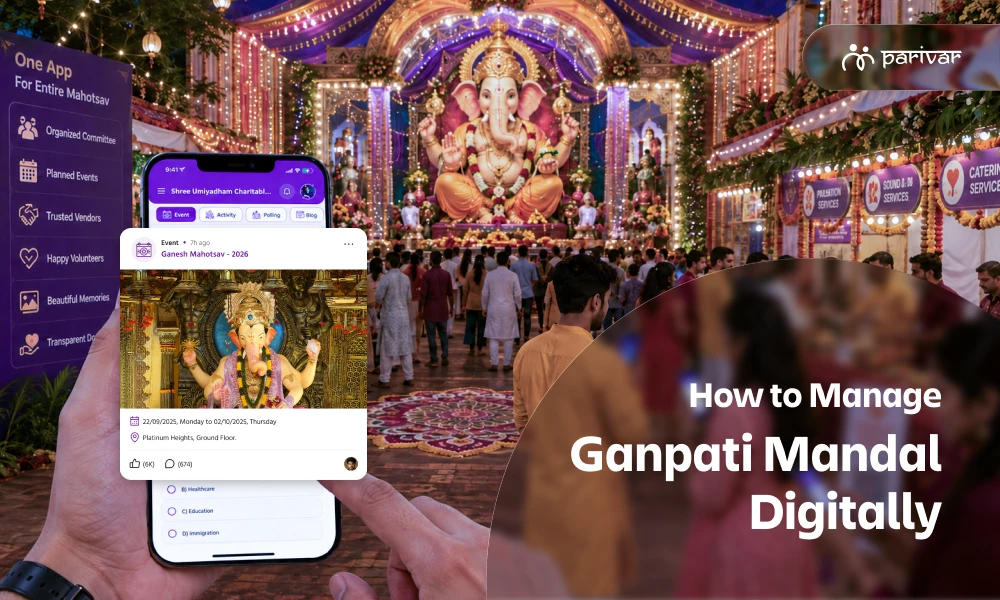
Events are the heart of any community. They bring people together, celebrate life’s moments, and strengthen connections. Whether it’s a family gathering, a local festival, or a small meet-up, the Parivar App makes event planning and managing easy. Here’s a step-by-step guide to creating successful events that everyone in your community can enjoy. Why Events Matter in a Community A community grows stronger when its members come together. Events help us: Celebrate Milestones & Festivals: Mark important occasions, from birthdays and anniversaries to cultural and religious festivals, creating shared joy and tradition. Share Experiences & Memories: Turn everyday moments into lasting memories by gathering for meals, game nights, outings, or simple conversations. Connect With Neighbors & Family: Bridge the gap between busy schedules and different generations. Events provide a natural reason to reach out and strengthen bonds. Build a Sense of Belonging: Foster a feeling of "home" and mutual support. Regular gatherings remind everyone that they are part of a caring network. With Parivar, organizing these meaningful events doesn’t have to be complicated. The app keeps everything simple, organized, and accessible to everyone in your community. What the Parivar Events Feature Offers Parivar’s Event feature is your all-in-one tool for community gathering, transforming it into a powerful community event app. It lets you: Plan, Organize, & Track with Ease Create events in minutes, manage guest lists, and see all upcoming community activities in one main screen. Share Events with Full Visibility Create events that every community member can see with admin approval to maintain order and organization. Manage & Communicate Effortlessly Edit details, delete canceled plans, or filter events by date. Send reminders and updates to keep everyone informed. Designed for Community Involvement From creation to recap, the feature is built to encourage participation, making event management simple while keeping the whole community engaged and connected. Step-by-Step Guide to Creating an Event Step 1: Go to the Events Section Open your Community Profile and click on the side menu icon. Then select Event. You’ll see all the events created by your community members and yourself. Step 2: Manage Your Existing Events Here, you can: See all community events in one place Delete events you created if plans change Filter events to quickly find the ones you want This makes it easy to stay on top of what’s happening in your community. Step 3: Create a New Event To host your own event: Click on the Plus (+) button on the right-hand side. A form will appear. Fill in details like title, date, time, location, and description. Submit the form, and your event is created! Step 4: Event Visibility and Approval Depending on your role: Community Owner/Admin: Your event appears automatically in the community list. User: Your event will be visible to everyone after admin approval. This ensures events are well-organized and visible to the right people. Best Practices for Event Success Turn a simple plan into a must-attend gathering by following these tips: Write a Clear & Catchy Title Your event title is the first thing people see. Make it descriptive and engaging to build excitement. Instead of: "Meeting" Try: "Sunshine Apartments Annual Meeting: Pool Renovation Vote & Summer BBQ Plan" Write a "Can't-Miss" Description Use the description field for all essential details. A clear agenda sets expectations and increases attendance. What to include: The purpose/agenda, what to bring (e.g., a dish for potluck), parking instructions, dress code, and how to find the group at a public venue. Encourage Early Interaction Build buzz before the event by asking questions or encouraging comments in the event announcement. Try posting: "What's your favorite summer dish to share? Let us know in the comments!" or "Any agenda items for the meeting? Add them below." Share Visuals & Updates A picture is worth a thousand RSVPs. Share photos of the venue, past events, or a fun graphic to generate interest. Before: Share a photo of the decorated community hall. During/After: Post a few highlights or a thank-you note to keep the excitement going and show members what they missed, encouraging future participation. Even these small touches can make a significant difference in turning a routine announcement into a vibrant community gathering. After the Event The community experience doesn’t end when the event does. On Parivar: Members can create albums and share photos and videos from the event. Post a thank-you note or highlights to keep the conversation going. Collect feedback or comments to improve future events. This helps the community feel involved and keeps memories alive. Wrap-Up: Make Every Event Count Events are more than just dates on a calendar; they’re opportunities to connect, celebrate, and grow together. With the Parivar App, event planning and managing becomes effortless. Get started with your next community event today. Download the Parivar app on iOS and Android and bring your community together in one place.
Building a digital home for your community on Parivar app is a great first step. But once the members are there, the real work begins: keeping the conversation flowing and making sure everyone feels like they truly belong. A community isn't just a list of names and phone numbers; it’s a living, breathing group of people. If your community space has been a bit quiet lately, here are some simple ways to encourage more participation. Everyday Practices That Encourage Community Participation Small, thoughtful actions that help members feel welcomed, heard, and comfortable taking part. 1. Start with a Warm Welcome Think of your community app like your own home. When someone walks in, you don’t ignore them, you greet them. When a new member joins: Tag them in a post and say hello Invite them to share a short introduction When elders and leaders take the first step in welcoming new members, it sets the tone. Younger members feel more comfortable joining conversations when they see familiar names being active and friendly. 2. Understand Who Your Members Are Not everyone engages in the same way. Some members love to post and comment, while others prefer to quietly read updates. Some elders may hesitate to post, while younger members may be unsure if their voice matters. Understanding your community means paying attention to: Different age groups Comfort with technology Interests and availability When communication feels inclusive and respectful, people are more likely to participate at their own pace. 3. Share Stories, Not Just Announcements If a community space is used only for official updates or serious announcements, it can start to feel heavy. Engagement grows when people are invited to share stories, memories, and everyday moments. Simple ideas that work well: Post an old photo and ask, “Who remembers where this was taken?” Invite members to share a traditional recipe passed down in the family. Ask members to talk about their first job, first home, or first visit to their ancestral village. Stories create warmth and invite natural participation. 4. Keep Communication in One Place When information is scattered across multiple WhatsApp groups and personal messages, people miss updates and slowly disconnect. Having one central place for: Announcements Discussions Events Celebrations helps members know exactly where to look. Clear, organized communication reduces confusion and builds trust. 5. Make Participation Easy and Comfortable People don’t avoid engagement because they are uninterested. Often, they avoid it because participation feels complicated. Engagement improves when: Posting or responding takes very little effort The app feels simple enough for elders and youngsters alike Members don’t feel pressured to write long messages The easier it is to participate, the more people will do it, sometimes even with just a photo or a short comment. 6. Use Pictures to Bridge the Distance A long message might be skipped, but a photo almost always gets attention. Encourage members to: Share a childhood photo alongside a current one (“then and now”). Post a quick selfie when a few family members meet for coffee or dinner. Share photos from small gatherings or events. Pictures remind everyone that the community is active in real life, not just on a screen. 7. Celebrate the Small Wins Big events like weddings and festivals are important, but small moments are what make people feel truly seen. Make space to celebrate: Exam results or academic achievements Job changes or promotions Birthdays and anniversaries Even a simple congratulatory message from members can brighten someone’s day and strengthen bonds. 8. Keep a Regular Rhythm, Without Overcrowding Posting too often can push people away, while posting too little can make the space feel inactive. A steady rhythm works best: A weekly “Member Spotlight”. A short wisdom quote from an elder. A simple question at the end of a post. Instead of just sharing information, invite replies. Small questions often lead to more natural responses. 9. Be Open and Transparent Engagement grows when members trust the space. Share: Decisions clearly Updates honestly Outcomes openly When people understand what’s happening and why, they feel respected and included, not left out. 10. Use Technology to Support Real Connections Technology should make community life easier, not replace relationships. A good community app helps people: Stay informed without overload Participate without pressure Stay connected even when they are busy or far away Used thoughtfully, tools like Parivar app simply bring people closer and make everyday connection smoother. 11. Use Events to Bring People Together Events are one of the strongest ways to increase engagement. They give members a reason to come together, whether online or offline. Sharing event details clearly, sending reminders, and posting updates before and after the event keeps the excitement alive. Even members who cannot attend feel connected when they see photos or updates later. Regular community events help strengthen relationships and make the community feel active and alive. 12. Keep Improving Based on What Works Engagement is not a one-time effort. It needs regular attention. Observe: What type of posts get responses? Which events have good participation? Where do members lose interest? Use these insights to improve gradually. Even small changes can make a big difference over time. Creating a Community People Want to Be Part Of Increasing member engagement is about creating a space where people want to be involved. Strong communities grow when people feel welcomed, heard, and comfortable being themselves. When communication is clear, participation is simple, and small moments are valued, engagement builds on its own. With a thoughtful approach and a shared space like Parivar, communities can stay connected, even across distance and busy lives, making it easier for everyone to take part in everyday moments that truly matter. If your community hasn’t already, you can download the Parivar app on iOS and Android to create a single, comfortable space where these everyday interactions can happen naturally. Your first step this week: Go to your Parivar app’s feed right now and post one old photo. Don't worry about the caption, just ask 'Who remembers this?' and see what happens. Consistency over time is key. Watch how a small, genuine effort can start a ripple effect of connection across your community.
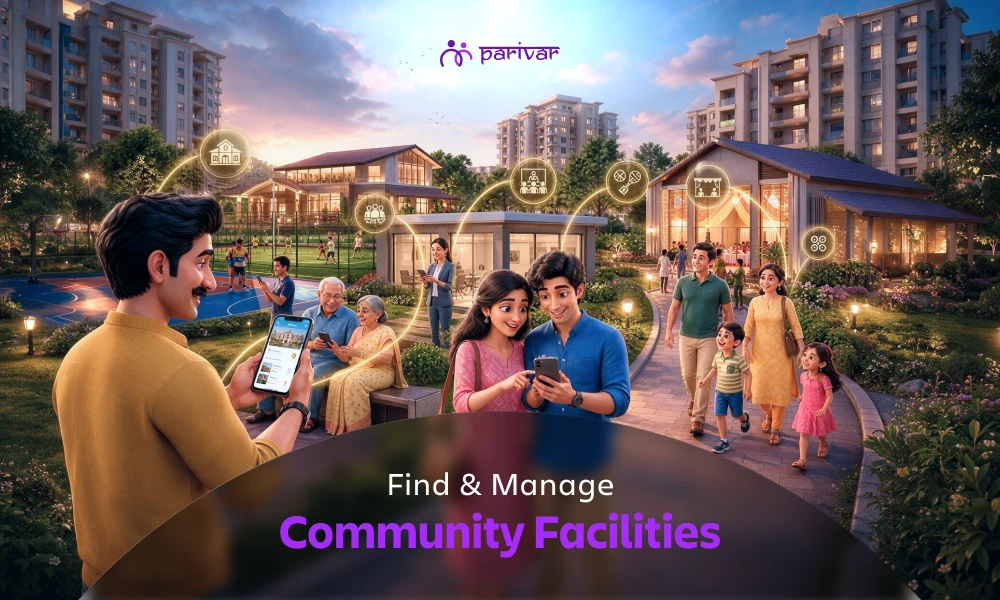
The Parivar App is more than just a social application; it’s a platform designed to help you stay connected with both your family and your wider community. This structure is defined by two core spaces: ‘My Profile’ and ‘Community’. This powerful separation is key to the app's success: My Profile: Your private family space for personal relationships and memories. Community: Your shared space for group engagement, events, and community activities. Many users think about the difference between these two sections and the specific features available in each. In this guide, we break down both sides of the Parivar App, detailing the tools that help you connect, organize, and thrive within your network. Let's explore the comprehensive features within each section, starting with ‘My Profile’. My Profile: The Heart of Your Family The ‘My Profile’ section is your personal, dedicated space focused on preserving your family history, strengthening immediate relationships, and managing your personal and familial milestones. It is the digital anchor for your closest connections. Here are the key features available on the ‘My Profile’ side of the Parivar App. 1. Family Member & Family Tree The core feature for connecting generations. You can create your very own family tree, easily add, remove, or invite members, and connect with relatives and cousins globally. 2. Matrimonial A secure platform for finding a life partner within trusted community circles. You can create and upload a matrimonial profile that is visible exclusively to trusted members within your community, removing the need for external apps. 3. Memories Your personal archive for cherished family moments. Upload photos, short reels, or long videos, organize them into private albums, and easily share them with your family to keep memories alive and accessible. 4. Wishes A dedicated feature for celebrating milestones. Easily send and receive warm wishes exclusively for birthdays, ensuring no family member’s special day goes unnoticed. 5. Friends Enables private, real-time communication across Parivar. You can send friend requests to individuals, manage your personal connections, and start one-to-one or group chats. 6. Chat Chats are private and connection-based, meaning you can message: Family members from your family tree Friends you’ve personally connected with Community members only after a mutual connection is established This setup ensures your conversations are always private, controlled, and distinctly separate from public community discussions. 7. Daily Quotes A source of inspiration and positivity, offering curated quotes across themes like wisdom, growth, and spirituality to spark meaningful conversations and add rhythm to your day. Community: Growing Together The Community section focuses on collective engagement, shared resources, and running community activities for the larger group. This is where members collaborate, exchange information, and participate in events that benefit everyone. 1. Create or Join Community The gateway to connection. You can start a new community or send a request to join an existing one. Once approved, you gain exposure to new connections and community-wide resources. 2. Events Easily organize and manage community gatherings, encouraging members to participate and helping to bring your community closer in the real world from professional meetings to social gatherings and exhibitions. 3. Jobs A dedicated job portal for the community. Post vacancies, share resumes, and hire budding talent directly from within your trusted network, providing opportunities for members. 4. Discussion & Blog Hubs for sharing ideas and insights. Use the Discussion feature for community conversation and share thoughts on traditions, careers, and more, and explore or contribute to the Blog feature with posts written by community members. 5. Polling Makes decision-making easy. Create and publish polls to quickly gather opinions and input from the community on important or even small decisions. 6. Invitations Makes sharing event details easy and efficient. You can openly share public event invites with all community members instantly, eliminating the need for physical invites or individual messages. 7. Album A private, shared media gallery specifically for the community. Any photos, videos, or media uploaded by individual members are visible here, creating a collective visual record of community life and events. 8. Request & Facility Allows members to seek or offer support. Use the Request feature to ask for help (e.g., blood donation or charitable causes). The Facility feature lets admins list and members book shared resources like venue rentals. 9. Committee Facilitates internal governance for administrators. This feature is limited to committee members only, allowing them to view who is part of the committee, with the admin retaining the right to manage membership. 10. Achievements A celebratory space to recognize success. Community members can upload and share achievements, awards, and rewards, allowing everyone to offer congratulations and spread joy. 11. Report & Feedback Essential for a healthy platform. Use Report to flag any inappropriate content (matrimonial, jobs, blogs). Feedback is where you can share suggestions to help the platform continuously improve. Parivar App: The Perfect Balance of Family and Community Connection This clear separation between the intimate ('My Profile') and the expansive ('Community') ensures your experience is always organized, relevant, and meaningful. The Parivar App empowers you to nurture close family bonds while actively contributing to your larger community. Download the Parivar App today and experience the perfect balance of family bonding and community collaboration like never before! Available on Android and iOS
The Parivar Community Management App makes it easier for families and communities to stay organized, connected, and engaged. Whether you want to manage family details, participate in community updates, or stay connected with relatives, the first step is creating your account and setting up your profile. This guide walks you through each step, from signing up to adding your family members, ensuring a smooth onboarding experience. To begin your journey, download the Parivar App from the Google Play Store or App Store, and follow the simple onboarding steps. Signing in to Your Parivar Account If you’ve already created an account before, Parivar lets you sign in quickly using two simple methods: Password Login or OTP Login. A. Sign In with Password This is the traditional and secure way to access your account. Open the Parivar app and select Sign In. Enter your email address or contact number. Type in your password. Tap Sign In to access your dashboard. This login method is useful if you prefer not to wait for OTPs every time. B. Sign In with OTP For users who prefer convenience or cannot remember their passwords, Parivar offers login via OTP. Enter your email address or contact number on the login screen. If you're signing in with a phone number, you can check the box to receive updates on WhatsApp. You’ll receive a One-Time Password (OTP) on the email or number you provided. Enter the OTP and tap Submit to sign in instantly. This is helpful for quick access without needing a permanent password. Creating a New Account (Sign-Up Process) If you’re new to the Parivar app, the registration process is simple and only takes a minute. Here’s how to create your account: Enter your First Name Enter your Last Name Select your Gender Choose your Birth Year from the dropdown Provide your Email Address or Contact Number Create a strong password you can remember Agree to the app’s Terms & Conditions After submitting this information, Parivar will send you a confirmation code to verify your identity. Enter the code, tap Submit, and your Parivar account will be successfully created. Verification ensures your information stays secure and prevents unauthorized access. Signing in After Deleting Your Account Parivar gives users the option to delete their accounts, but only permanently after a 30-day window. If you attempt to log in during this period: You will see a pop-up message asking for confirmation: “Are you sure you want to sign in to your account?” It will remind you that: Signing in now will restore your account, canceling the scheduled permanent deletion. You can choose: Yes – to restore and sign in No – to cancel This ensures users have full control over account restoration during the 30-day grace period. Completing Your Profile After Sign-In Once you’re logged in, the next step is to complete your profile. A complete profile helps other members recognize you and allows the app to connect you with your family structure. Add Your Personal Information You will be asked to fill in: First Name Middle Name (optional) Last Name Gender Blood Group Birthdate Education Details These details make your profile authentic and useful within the community ecosystem. Adding Your Family Members on Parivar One of the core features of Parivar is the ability to digitally map your family tree and stay connected with relatives inside the app. How to Add Existing Members If your family members are already on Parivar: Use the Search Member feature to find them. Send them a connection request. Select your relationship with them (e.g., Father, Mother, Sister, Cousin). Once they accept the request, the member is officially linked to your family profile. If you added a wrong person by mistake, or selected the wrong relationship, you can cancel your request and send a correct one anytime. This feature helps build an accurate family network within the app, making community communication more efficient. You’re All Set to Explore Parivar App The Parivar Community Management App is designed to simplify how families and communities stay connected. With easy sign-in options, a simple registration process, and powerful family-linking features, anyone can get started in just a few minutes. Whether you are setting up your profile for the first time or reconnecting after reactivating your account, Parivar ensures a seamless and secure onboarding experience.
ABOUT
Parivar - Bringing all community members together at your fingertips, the community engagement app will let you connect with your community conveniently.
SUBSCRIBE TO OUR NEWSLETTER